The Evolution of Collecting Student Feedback
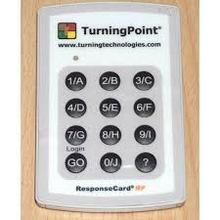
Our librarians have been collecting student feedback at the end of instruction sessions for well over a decade. In the 2007-2009 era, we were one of the few departments on our campus to use Clickers — does anyone remember those? — and they were good for getting anonymized pop-quiz assessment data and for injecting some novelty and humor into library sessions. With software and hardware changes and a campus switch to Mac OS, however, they eventually became more trouble than they were worth. Today the plastic shoebox of numbered remotes serves as my footrest under my desk.
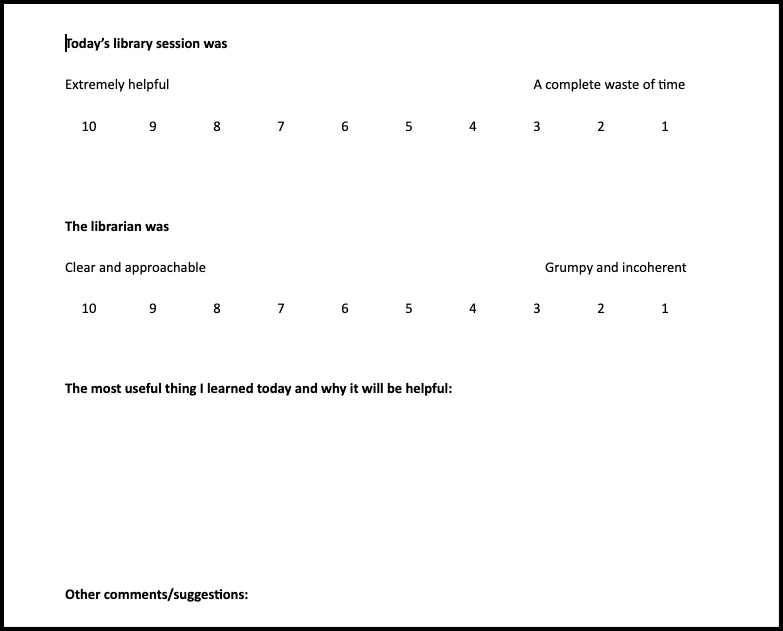
Around 2009, I began to hand out printed half-sheets of paper with Likert scales for students to rate their satisfaction with the session, plus a prompt for a “one-minute paper” about how they expected to use the knowledge they had gained. I would go through the papers after every class session and transcribe and code the results. It was time-consuming (and sometimes humbling) work, but it gave me a good sense of what the students had to say about our research instruction and how it could be improved. This method also gave us some basic quantitative data to present to the administration.
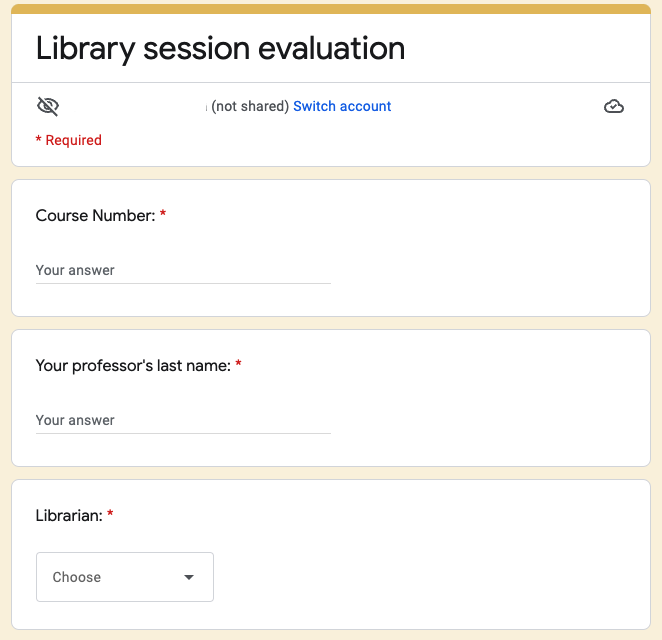
In 2014, we transitioned the same template to a Google Form survey. All of our students receive a Macbook (and, at the time, an iPad) and are expected to bring a mobile device to every class, so this was feasible. The electronic version retained the Likert scales for rating the librarian’s clarity and approachability, as well as another scale to rate the session’s overall helpfulness. It also included long-answer boxes for students to share “The most useful thing you learned today and why it will be helpful” as well as an option to share any general comments they might have.
We embedded the Google Form into a LibGuide page that could be reused on subject guides and also to have the “friendly URL” as another distribution option. From a data-management perspective, moving the survey to Forms made my life a lot easier. Responses were exported into a Google Sheets spreadsheet and I could run the average Likert scale scores in seconds. All of the librarians could access the spreadsheet, so each librarian instructor could access, copy, and manage the data from their classes if they liked while still allowing me to retain the comprehensive dataset.
With a few minor adjustments to the questions over the years, this is how we collected student class feedback from 2014 until this past academic year. As Fall 2021 loomed and I reflected that the Likert scale scores had remained consistent for seven years, I decided that continuing to collect those numbers was unnecessary. I eliminated the Likert scale questions. I reworded the first free-answer question, which asked students to identify what they believed would be the most useful takeaway from the session and why. I also changed the second long-answer question to give them an opportunity to leave a question, rather than the vague “any other comments?” prompt we had used previously.
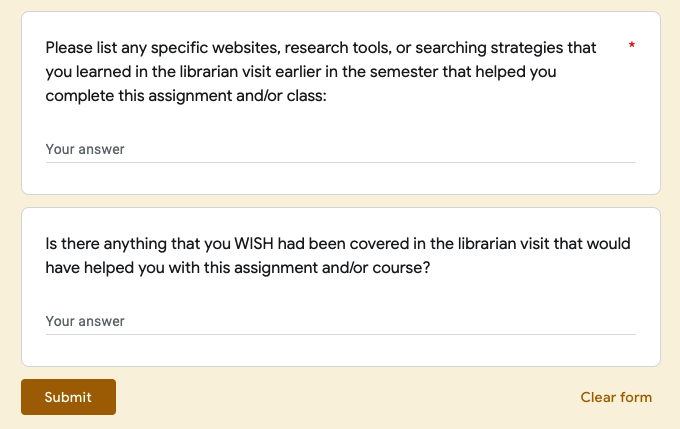
I also created a follow-up library session survey for distribution to students later on in the term, after they had a chance to put our teachings into practice. This survey asked the students to list any specific tools, sites, or strategies that they ended up using, and it also asked if there were any areas where they thought more guidance would have helped. The follow-up survey was sent to faculty either several weeks after the class visit or shortly after a major assignment due date, if we knew when a significant research project was due.
This was a major improvement, but we only used it for one semester! In early January 2022, my director asked me to take a look at ACRL’s Project Outcome. I had heard of it before but somehow had never looked into it; for some reason, I had the impression that it cost money and/or was better suited for large institutions. But I registered for an online presentation about it (“ACRL Project Outcome: Closing the Loop: Using Project Outcome to Assess and Improve a First-Year English Composition Information Literacy Program,” recording available here: https://youtu.be/ICDwuMRc3uY).
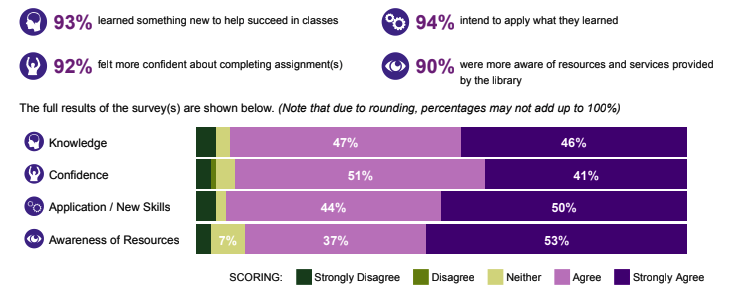
What struck me most as I learned about Project Outcome was that after all of my years of trial and error, the current iteration of my homegrown Google Form survey and the new follow-up survey were virtually identical to the surveys Project Outcome uses. When I realized that Project Outcome would allow me to instantly generate a visual representation of the students’ feedback, as well as compare our results to our Carnegie class peers across the nation, I was sold. Our provost favors quantitative data, and like most university administrators, she has many demands on her time. I’m excited to include this data comparison and visualization in our annual report, as I think it “tells our story” in a numerically-based and quick-to-comprehend way.
I am still learning my way around the Project Outcome dashboard and learning how best to administer and manage the surveys. Embedding the survey into a LibGuide page, as I had done with the Google Form, was a definite fail. Many students could not get the embedded survey to load. Fortunately, the direct URL to the survey is brief enough to post on the presentation screen, and I also made the old LibGuide “friendly URL” simply redirect to it. This seems to be working well. Participation in the follow-up survey is low and probably self-selects to more motivated students, but that is an expected limitation. Overall, I look forward to gathering more student feedback via Project Outcome and learning more about the ways that it allows us to analyze and present that data.
Registration to attend the 2022 College & Research Division Spring Workshop is now open! Academic libraries are constantly adapting and evolving to meet the changing needs of our diverse patrons and communities. The pandemic continues to expose fissures in higher education and library employees have been working diligently to address issues as they arise. Perhaps your library has needed to create new policies or implement new services; maybe your library is designing new physical spaces to accommodate patron needs. As the course curriculum evolves, so do library practices.
On Thursday, June 2, at the Madlyn L. Hanes Library at Penn State Harrisburg, we will explore how academic libraries have adapted and evolved in new and different ways to meet the needs of our campuses and communities. A full event program with session descriptions can be found at this link. The Spring Workshop will include a light breakfast and welcome remarks, morning presentations, boxed lunch, followed by afternoon presentations.
Investment: PaLA Member $50 | Non-member $75 | Student $25
Register HERE:
https://www.palibraries.org/event/2022CRDSpringConf
If you are interested in staying in a nearby hotel, we encourage you to review these options:
- Comfort Inn and Suites (1.3 miles away from the Penn State Harrisburg Campus)
- Fairfield Inn and Suites (2.2 miles away from the Penn State Harrisburg Campus)
Workshop registration will close on Friday, May 20, 2022.
This project is made possible by a grant from the Institute of Museum and Library Services as administered by the Pennsylvania Department of Education through the Office of Commonwealth Libraries, and the Commonwealth of Pennsylvania, Tom Wolf, Governor. Support is also provided by the College and Research Division of the Pennsylvania Library Association (https://crdpala.org/). Show your appreciation by becoming a member of PaLA! And if you are a member – thank you!
Zotero + LibWizard = Success!

Zotero is a citation manager that has been widely used across many college campuses by students to collect, store, and cite their research references, often at the suggestion of a librarian or professor. As a librarian at the University of Pittsburgh’s Johnstown Campus, I have witnessed the look of amazement on a student’s face once they realize how valuable this tool is, especially if they are working on a lengthy research paper or plan to go to grad school and continue their studies. Anyone who has taught Zotero (or any citation manager software) workshop should be well familiar with this reaction.
Unfortunately, these moments are few and far between lately. When the COVID-19 pandemic first began, I found myself, like many others in academic librarians, wondering how to best provide valuable information literacy instruction virtually. I also found myself thinking about ways to provide citation management workshops online.
In the fall of 2020, I decided to try out a flipped learning activity for a communications research course that I had worked with on citation management tools the previous year. As someone who has taught Zotero workshops in person pre-pandemic, I knew how technology issues could derail an entire instruction session and I wanted to find a way to provide instruction through asynchronous means, but still be able to connect and engage with the students.
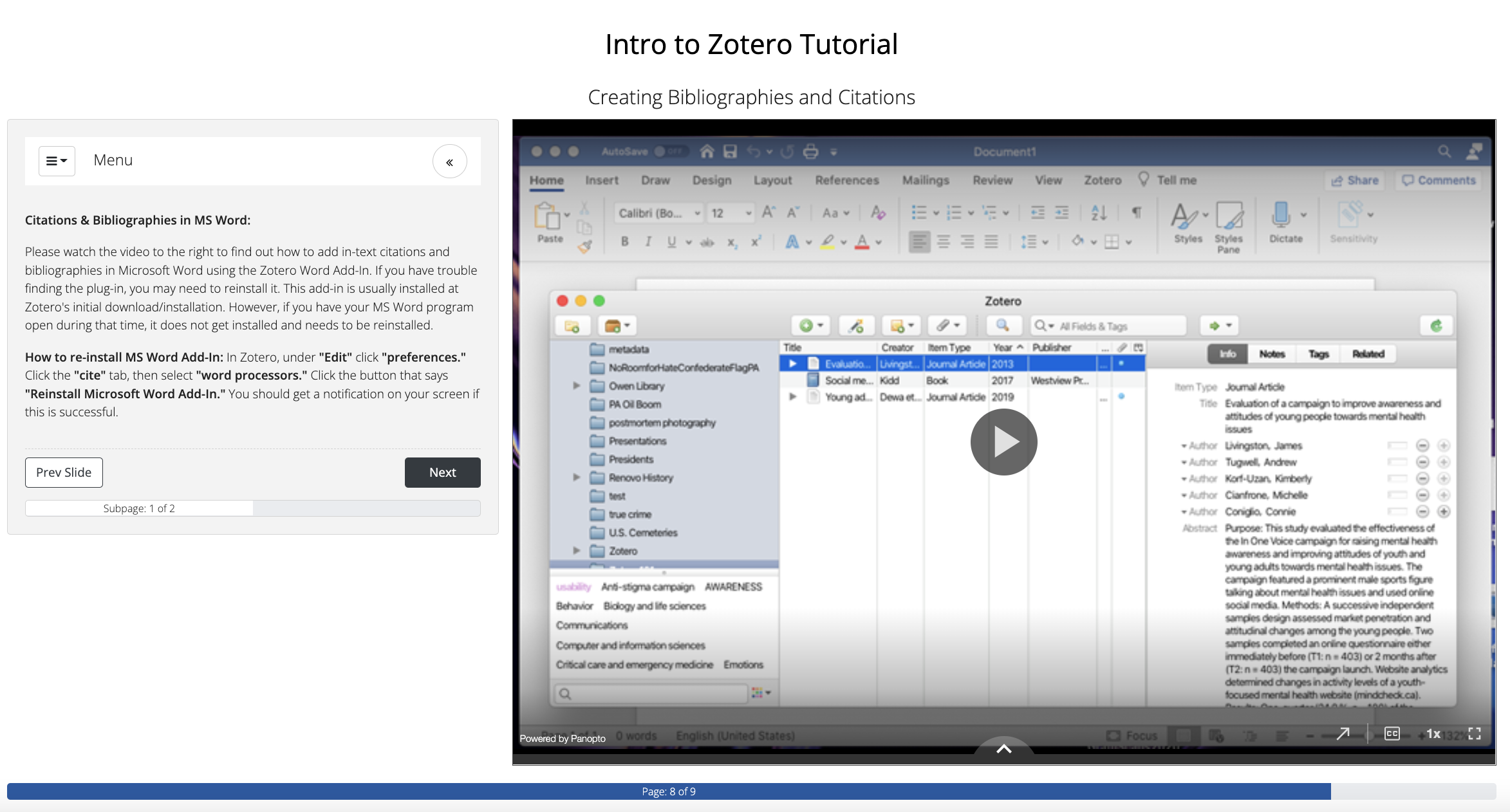
I proposed to the faculty member that I create a self-guided tutorial using Springshare’s LibWizard for her students to complete prior to the class session that I would attend with them on Zoom. This allowed for the students to learn the basics of installing and using Zotero before the class met synchronously online and could ask questions they had about the tutorial or learn more specific information that the tutorial didn’t cover. As this was a course outside of my regular liaison area, I had help from my colleague who supports the discipline, and he was able to show the students how to find resources that students could then import into their Zotero libraries.
This approach seems to have worked well, based on feedback from the faculty and students. When instruction resumed in-person, we tried this approach again with success. One of the students answered, “How to cite articles in a much easier way” to our post-class evaluation question about the most useful part of the session, so I know at least one student found some value in learning Zotero, which is a success in my book.

Creating a Self-Guided Zotero Tutorial with LibWizard
- Create your learning objectives (I kept mine broad to be able to use the tutorial for any student, independent of a class requirement).
- Create an outline of how to structure lesson (it helps if you already have this!).
- Organize your LibWizard slides using your outline.
- Welcome message/intro
- Intro about Zotero
- Lessons on how to use Zotero (where recorded videos will be inserted)
- Conclusion/Where to get help
- Test out tutorial (ask for volunteers or student assistants).
- Make changes as needed.
- Share the link and review reports for follow-up.
Pro-Tips
To help create the lessons, I recorded narrated videos that demonstrate the steps I use in an in-person class. I used Panopto, which is available at our institution, but since then I have found Active Presenter to be a more user-friendly software for video creation. In later tutorials, I have created videos with Active Presenter and then uploaded them to Panopto. Be sure to include captions and edit any mistakes. Chunking the demonstration videos into shorter lessons helps the user digest the content more easily, and hopefully helps them to retain it better as well. I also included places in the tutorial where the user can submit questions with their email address so I can follow up with them after completion.
If you would like to try the tutorial out yourself, please do so online (Intro to Zotero Tutorial). Please feel free to leave any constructive criticism so that I can make improvements over the summer. I know that there is a new Zotero 6.0 version out now that may offer new features, so I may need to update the lessons.
CIC “Humanities Research for the Public Good”
In the Spring of 2020, our college was awarded a “Humanities Research for the Public Good” grant from the Council of Independent Colleges. This was pre-covid and pre-our archivist leaving to take another job. Fast forward to November of 2021, when I took over mid-way through the project as the “collection professional” on the grant team. Student researchers from an Advanced Public History course had been meeting in the archives with their professor and our former archivist twice a week to research in our archives. In the spring, an Intro to Public History course began which added about 10 researchers to the project who worked on teams with the experienced researchers to finish the research and begin building an exhibit.
I definitely did not feel like a collections professional once I took over. I was not overly familiar with our collections but thankfully, we had two experienced student workers in the archives who had been working there since their freshman year. These students were able to continue finding and pulling items for the researchers in the class which kept up the progress on this project. We also relied heavily on them to help us make decisions on which items were OK to be only display and which were more fragile and would need to be scanned for a printed reproduction. I often felt like I existed only to be the “bad cop” who had to say no. However, what I learned from other “collections professionals” at the closing workshop for the grant is that saying no, is what makes me an honorary archivist – LOL!
At times this project felt like it was not going to come together but I am excited to say that tomorrow, Thursday, May 5th, we are hosting the opening reception for “Dynamic Decades: W&J and Washington in the Midst of Social Change”. The physical exhibit will be up in our library through the beginning of the fall semester so if you’re in Washington and have a chance to stop by the Clark Family Library we welcome you to check it out. Over the summer we’re open Monday-Friday regular business hours. There’s also a website that a group of senior Computing & Information Studies students are putting together. I understand there are some finishing touches still being added to this site but once it’s live I’ll link it in the comments.
Last weekend I and the other members of our project team traveled to Baltimore for the closing workshop for CIC grant and I was excited to see so many other PA libraries represented. I hope that someone from these institutions sees my post and adds links and info to their projects in the comments because they all deserve to be celebrated!
I talked to the teams from Carlow University, Muhlenberg College, St. Vincent College, & Thiel College. During the poster presentations I was able to talk with the student researchers for each project and I was impressed by both their depth of understanding and their passion for what they accomplished. Opportunities for students to engage with special collections can often be limited but for those who get the opportunity they obviously benefit from it greatly.
I’m proud to be part of the network of awesome academic libraries in PA!
SW Chapter PaLA Workshop – Featuring Lois Lowry
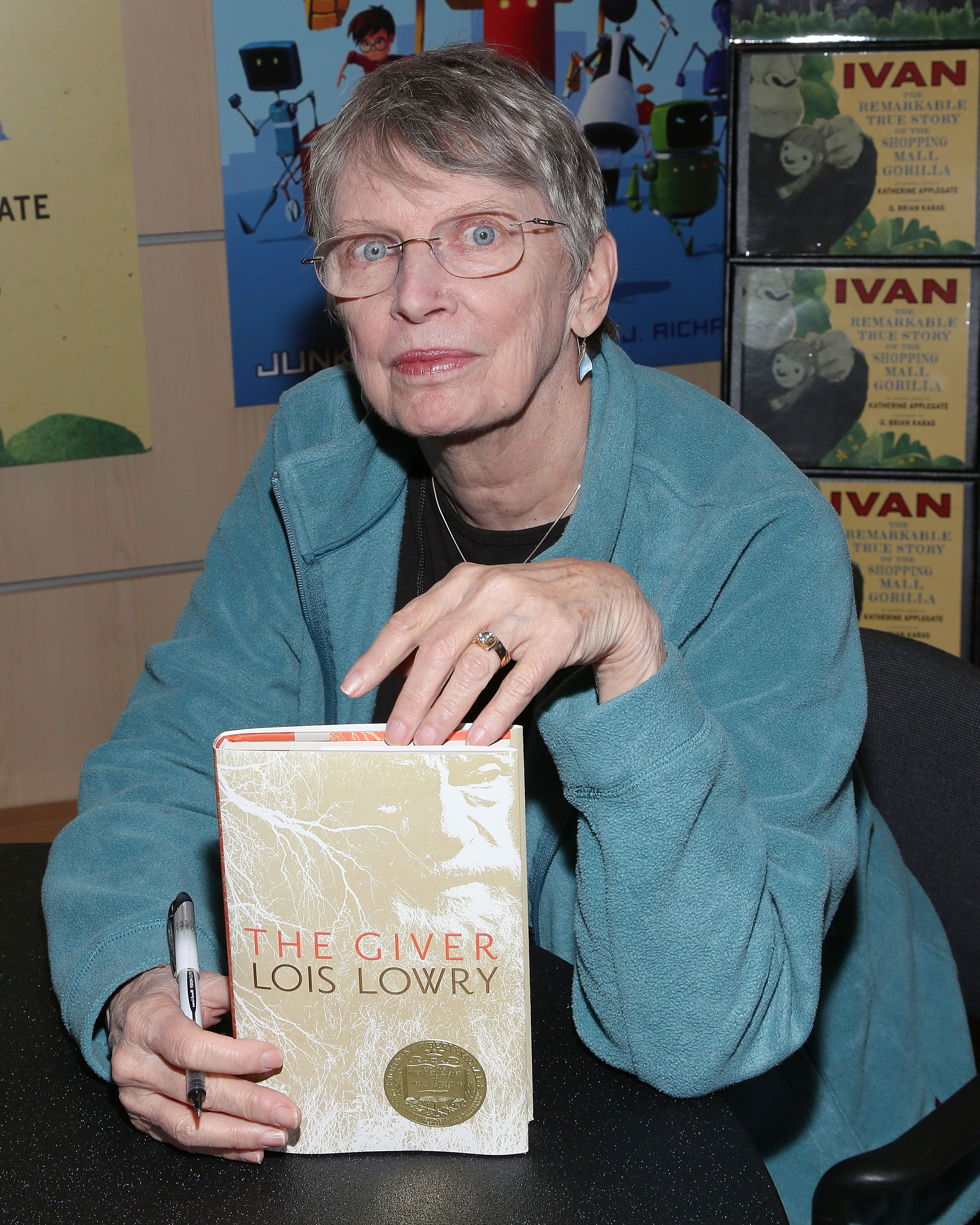
You are cordially invited to our in-person and Zoom Spring Workshop. We look forward to sharing with you tools and procedures that will prepare you for any possible book challenge that may come your way. We are also thrilled to have author Lois Lowry joining us virtually to discuss, among other things, her challenged book “The Giver.” CLICK HERE for an agenda.
So don’t delay…register now, put it on your calendar and join us on May 20, 2022 from 8:30am until 2:30pm for what should be a very engaging event.
Cost: $20 PaLA member | $40 Non-member
Register: https://www.palibraries.org/event/2022SWChapter_SpringWS


 Adam Balcziunas
 Alex K.
 Alexandrea Glenn
 Andrea Pritt
 aprilnkelley
 Ashley Purvis
 Bethann Rea
 blj13
blj13 Brendan Johnson
 Amanda Boyer
 Bret Stiffler
 Bonnie Powers
 Christopher Lemery
 clarewithers
 clblibrarian
 Kelly Clever
 Charlotte M. Johnson
 colemanluzerne
 CRD of PaLA
 crdvirtualjournalclub
 cre5314
 csgarth
 Erin B.
 danajkerrigancv
 denisewetzel1
 Darren G. Poley
 elm43
elm43 James D'Annibale
 Annie Jansen
 Jill Hallam-Miller
 jennifercribbs
 Jenn Monnin
 Jen Hasse
 Jessica Showalter
 johnmeier1
 Kelly Safin
 Kim Karim
 Kristen Seikaly
 Kayla Van Osten
 Cecelia Lasley
 librarianjsmith
 Linda Neyer
 mabogino1
 Matthew McNelis
 Meg Massey
 Maggie Savidakis-Dunn
 Rebecca
 miskatoniclibrarian
 Maureen Bentz
 Michele G. Anfuso
 Nicole Miyashiro
 paulmcmonigle
 Rob Sieczkiewicz
 ronlmccoll
 Sam Bardarik
 shannahollich
 smartin592
 Ula Lechtenberg
 It's Academic