Post-Covid: What will our libraries look like?

A few months ago, I was asked what the library could have done to be more prepared for the COVID-19 crisis. I have to admit that, for at least a few days, I was stumped by the question. I mean, how does one prepare for a global pandemic? How does one prepare to be removed from the library (and the every day work we do) for five months? It’s a question that I’ve thought about a lot since it was initially asked of me, and I think it requires a little bit of re-framing to really answer it. Instead I find myself asking, what will our libraries really like post-COVID, and what do we need moving forward to be successful?
More communication
The importance of clear communication has become even more obvious in these times. Managers have worked hard to communicate with their teams regardless of location, and have adopted various strategies. Some of these strategies include meeting with teams weekly or bi-weekly, sharing daily or weekly virtual education tips, or instituting virtual office hours via Zoom. For me personally, Microsoft Teams has been a lifesaver when it comes to daily communication with various groups in our organization. The chat feature alone has streamlined processes and reduced the amount of daily emails received. Administrators at our libraries have worked hard to communicate with their organizations regularly. At Penn State, weekly Dean’s forums were instituted to inform employees about developments surrounding the crisis, and also provide a space to educate faculty and staff about ongoing opportunities and programs offered at the library. My hope is that we’ll continue to identify creative ways to communicate (and collaborate) more in the post-COVID library.
Flexibility in our work and in our daily lives
One thing we’ve all learned throughout this crisis is that our work can be more flexible than we previously would have thought. True, there are positions in the library that require on-site work, but perhaps those positions and those people don’t (if we’re honest with ourselves) need to be on-site 40 hours a week. Hybrid positions, or devoted project time off-site, could work even in a post-COVID library world. We’ve also learned that we can accommodate our employees if they have personal circumstances, such as caring for family members, that may necessitate working altered hours.
Some may never return
It’s very likely that some units of our libraries or institutions may never return for on-site work. I have talked with many colleagues from different institutions that indicate that these discussions are already taking place. Space has always been a hot commodity in our libraries and beyond. This crisis has demonstrated to some that if the bulk of their work can be completed remotely, is there really a need for them to report to campus?
Leveling of the playing field
This may be a unique to Penn State situation (though I suspect not) but the COVID crisis has leveled the playing field when it comes to communication across our organization. Before, it was not unusual for a group of individuals to be gathered together in person at our University Park location, while participants from our commonwealth campus locations joined via zoom. Now, all participants join meetings on zoom. There’s a sense (at least from my perspective!) that more voices are participating in crucial conversations, and that all have an equal opportunity to speak and be heard. Post-COVID, I hope that we’ll consider asking participants to continue using zoom to encourage this model.
Lean into the discomfort
A few years ago I took part in a supervision training series at Penn State and one of the speakers talked about “leaning into the discomfort.” That phrase has reverberated in my mind since then, and it applies to just about every area of management (whether it’s management of others or management of self) and my personal life. There are so many times in our lives where we shrink from situations that make us uncomfortable. Nothing about our current situation can be described as comfortable, and yet we are still standing.
The reality is that there are many unknowns when it comes to the future of our libraries and our institutions. I have learned to embrace the discomfort of the unknown and instead use it to propel positive change, collaboration, and creativity. There’s no question that in the future (whatever it looks like) we’ll continue to need communication, flexibility and grace to make things work.
Further Reading:
How Coronavirus is Changing Public Libraries
Visions of Success: Academic Libraries in a Post COVID-19 World
Meg Massey is the Interim Head of Access Services at Penn State University Libraries.
C&CS Presents: “A Wolf in Sheep’s Clothing: Genre Blurring and Fake News”, Tuesday, January 19 at 11 am
C&CS Presents
A Wolf in Sheep’s Clothing: Genre Blurring and Fake News with Kat Phillips and Joel Burkholder
Tuesday, January 19 at 11 am EST
Register Here: https://forms.gle/fGYsBF4GyiMUjV538
Fake news stories are persuasive acts, convincing audiences—if only briefly—their false claims are true. Appropriating the conventions and epistemic authority of real news, fake news blurs the boundaries between genres to achieve that goal. Checklist approaches to fake news identification, like CRAAP, often fail to explore the intentionality of these actions. To that end, this presentation will analyze the phenomenon from a rhetorical perspective. Fake news uses bias as a rhetorical device, a persuasive technique, to take advantage of an audience’s preexisting beliefs. This confuses the process of selecting reliable evidence. In this workshop, participants will analyze how fake news uses bias in constructing false claims to persuade audiences. The IF I APPLY source evaluation tool, which identifies implicit and explicit biases, will explore how fake sources are constructed by authors and processed by audiences, and how this impacts the selection of reliable evidence.
Kat Phillips

Kat Phillips is the Nursing & Allied Health Librarian at Penn State’s University Park campus. She works with the College of Nursing, Department of Health Policy & Administration, and Consortium to Combat Substance Abuse. Her research interests focus on bias, information literacy related to health policy creation and allied health education, working with distance graduate students, and grey literature use and education. She enjoys baking, cooking, and dancing with her 5 year old daughter, playing Spiderman with her 2 year old son, and falling asleep to TV shows and movies on the couch with her husband.
Joel Burkholder

Joel Burkholder is the Reference & Instruction Librarian at Penn State’s York campus. His research interests include the intersection between rhetoric and information literacy, the identification and evaluation of bias, and the visibility of library maintenance practices. He enjoys spending time with his three children, searching the dollar bin at any record store, hiking in the woods, stacking unread books on the bedside table, and losing at dominos.
All C&CS Sessions are recorded and made available via the CRD website following the presentation.
This project is made possible by a grant from the Institute of Museum and Library Services as administered by the Pennsylvania Department of Education through the Office of Commonwealth Libraries, and the Commonwealth of Pennsylvania, Tom Wolf, Governor.
Support is also provided by the College and Research Division of the Pennsylvania Library Association: https://crdpala.org/.
C&CS Presents
Make Way for Macchiato with Stacey Kimmel-Smith, Mark Canney, and Sharon Wiles-Young
Wednesday, January 13 at 11:00 am EST
The strategic vision of the University led to a redesign of the Fairchild-Martindale Library and resulted in the construction of a cafe and a loss of the Circulation Department offices and the Circulation desk. Come and find out how the libraries worked with staff to merge the Help Desk and Circulation Desk and what other changes happened with services and spaces.
Presenters:
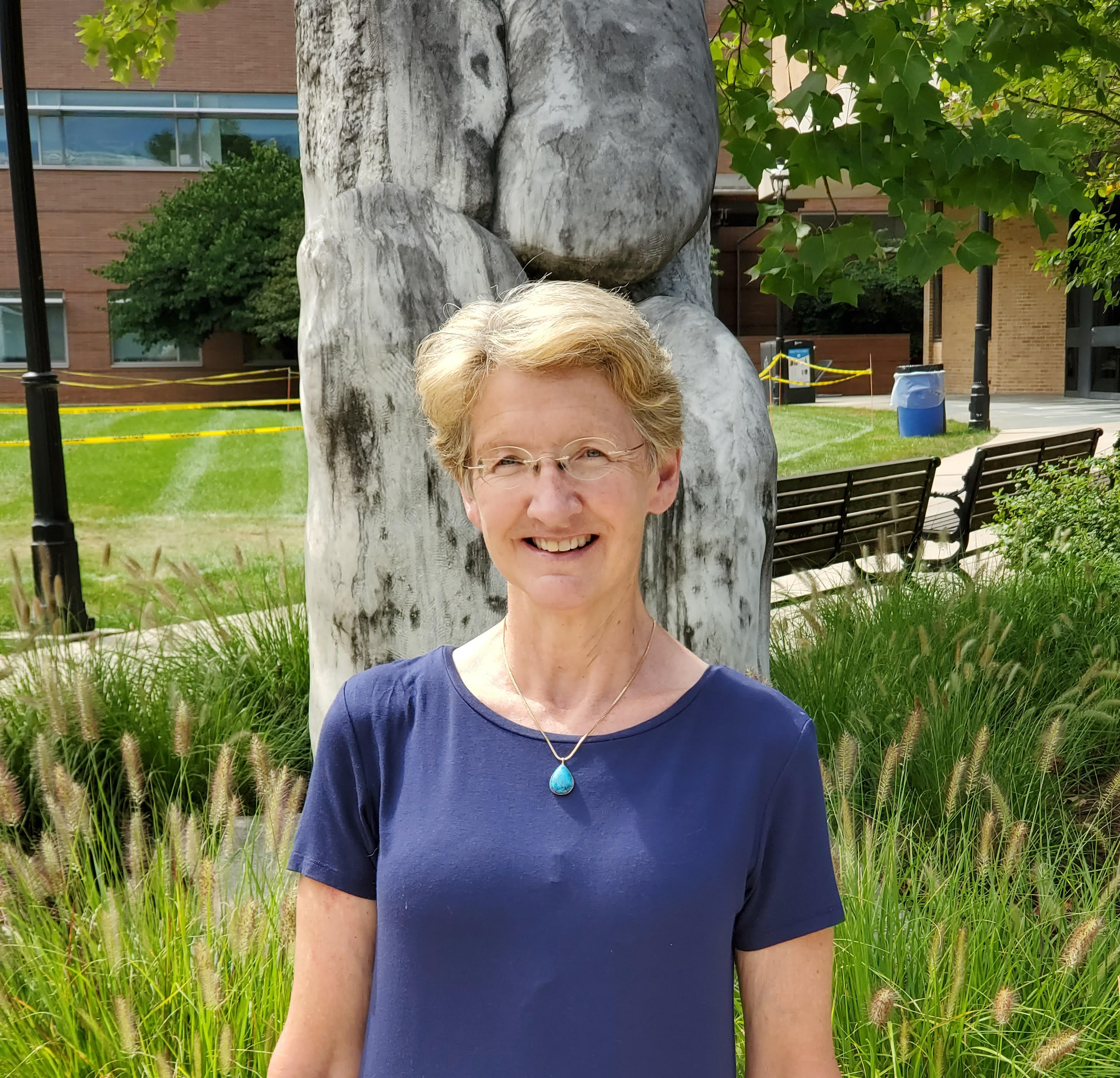
Stacey Kimmel-Smith is the Assistant Director of Client Services in Library & Technology Services (LTS) at Lehigh University, where she manages the LTS Help Desk technology support and Computer Repair Services. She has her MLS from University of North Carolina-Chapel Hill.
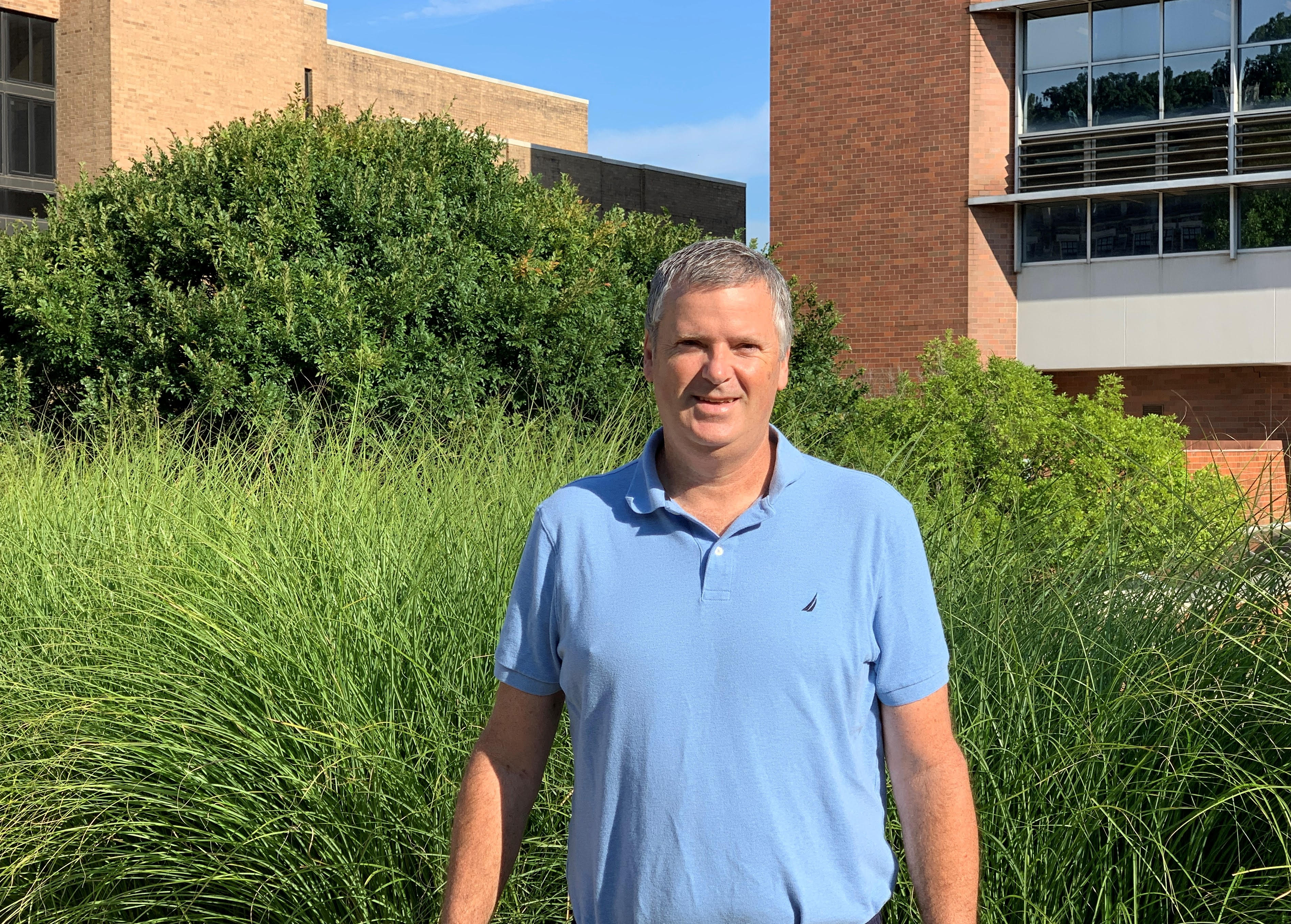
Mark Canney is Manager of Lending Services at Lehigh University Libraries. He received his MLIS from Florida State University.
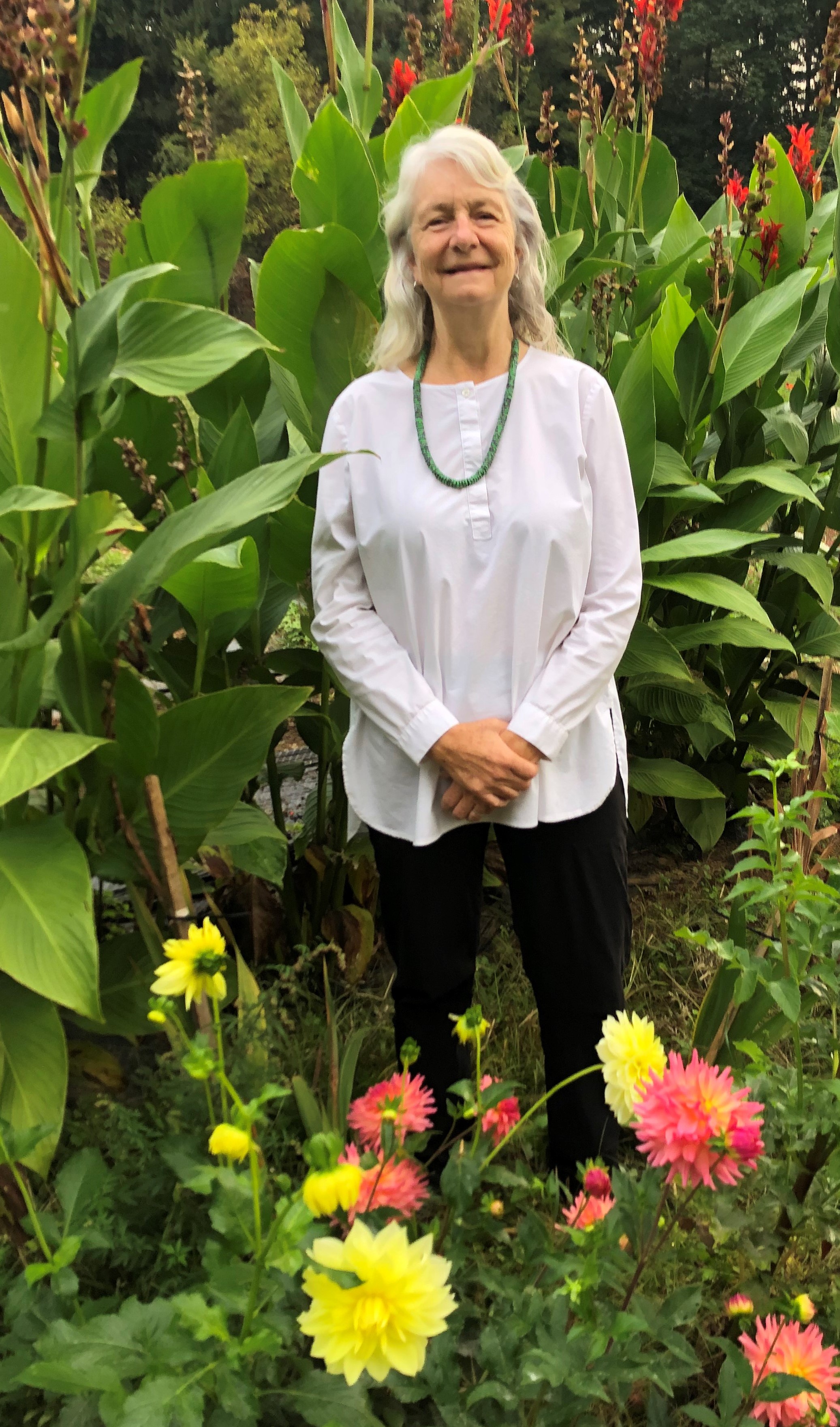
Sharon Wiles-Young is Director of Library Access Services at Lehigh University Libraries where she manages both the Lending Services and Technical Services teams. She has her MLS from the State University of New York at Albany.
All C&CS Sessions are recorded and made available via the CRD website following the presentation.
This project is made possible by a grant from the Institute of Museum and Library Services as administered by the Pennsylvania Department of Education through the Office of Commonwealth Libraries, and the Commonwealth of Pennsylvania, Tom Wolf, Governor.
Support is also provided by the College and Research Division of the Pennsylvania Library Association: https://crdpala.org/.
New Year, New Works in the Public Domain
As a new (and hopefully better!) year begins, books, musical compositions and other works copyrighted in 1925 will enter the public domain.

Connecting patrons to digital materials in 2020 had its share of challenges. Items in the public domain, though, were usually available online via The Internet Archive, Hathi Trust, Google Books or other digital repositories. Here are just a few of the titles moving out of copyright in 2021:
Books
F. Scott Fitzgerald, The Great Gatsby
Virginia Woolf, Mrs. Dalloway
Ernest Hemingway, In Our Time
Film
Harold Lloyd’s The Freshman
The Merry Widow
Buster Keaton’s Go West
Lovers in Quarantine
Musical compositions
Always, by Irving Berlin
Sweet Georgia Brown, by Ben Bernie, Maceo Pinkard & Kenneth Casey
Works by Gertrude ‘Ma’ Rainey, the “Mother of the Blues,” including Army Camp Harmony Blues (with Hooks Tilford) and Shave ’Em Dry (with William Jackson)
Jennifer Jenkins, Director of Duke’s Center for the Study of the Public Domain, provides details and many links to additional resources on the Center’s website. The background information and explanations in Jenkins’ post are helpful, regardless of your level of copyright expertise.
Love Among the Ruins: Potential Post-Pandemic IT Scenarios for Higher Ed

Some say the global COVID-19 pandemic has irrevocably changed the IT landscape for colleges and universities. The latest EDUCAUSE Information Technology Issues Project “Top IT Issues, 2021: Emerging from the Pandemic” by Susan Grajek, Vice President, Communities and Research, for EDUCAUSE and the 2020–2021 EDUCAUSE IT Issues Panel outlines three post-pandemic IT scenarios for Higher Ed.
Institutions will either restore, evolve, or transform. That is, some “will be focused on figuring out what to do to get back to where [they] were before the pandemic,” while others will evolve by being “focused on adapting to the new normal.” Those which are nimble enough and can afford to “will be focused on redefining [the] institution and taking an active role in creating the innovative future of higher education.” Members of the 2020–2021 EDUCAUSE IT Issues Panel also identify Collaboration and Partnership as key to managing IT in 2021.
The different scenarios were determined by presenting nineteen potential 2021 IT Issues and having them evaluated by members in EDUCAUSE’s annual IT Issues survey. The priorities for each potential future are explored in depth by the report. The outcome is summarized well in this short video: “The EDUCAUSE 2021 Top IT Issues.”
Considering the library’s central role in the academic enterprise, librarians ought to contribute to any discussion on the technological commitment, capability, and future of the institution they serve.
“EDUCAUSE is a nonprofit association whose mission is to advance higher education through the use of information technology.”


 Adam Balcziunas
 Alex K.
 Alexandrea Glenn
 Andrea Pritt
 aprilnkelley
 Ashley Purvis
 Bethann Rea
 blj13
 Brendan Johnson
 Amanda Boyer
 Bret Stiffler
 Bonnie Powers
 Christopher Lemery
 clarewithers
 clblibrarian
 Kelly Clever
 Charlotte M. Johnson
 colemanluzerne
 CRD of PaLA
 crdvirtualjournalclub
 cre5314
 csgarth
 Erin B.
 danajkerrigancv
 denisewetzel1
 Darren G. Poley
 elm43
 Heather Burychka
 James D'Annibale
 Annie Jansen
 Jill Hallam-Miller
 jennifercribbs
 Jenn Monnin
 Jen Hasse
 Jessica Showalter
 johnmeier1
 Julie Durci
 Kelly Safin
 Kim Karim
 Kristen Seikaly
 Kayla Van Osten
 Cecelia Lasley
 librarianjsmith
 Linda Neyer
 mabogino1
 Matthew McNelis
 Meg Massey
 Maggie Savidakis-Dunn
 Rebecca
 miskatoniclibrarian
 Maureen Bentz
 Michele G. Anfuso
 Nicole Miyashiro
 paulmcmonigle
 Rob Sieczkiewicz
 ronlmccoll
 Sam Bardarik
 shannahollich
 smartin592
 Ula Lechtenberg