C&CS Recording available of “Make Way for Macchiato”
Thanks to those who were able to attend our session today with Sharon, Stacey, and Mark of Lehigh University. You can view the recording below.
Engaging Your Community in a Virtual Space

Image: “Craft Supplies” by Lester Public Library is licensed under CC BY-NC-SA 2.0
On the afternoon of my second or third day on the job, I was shown a metal cabinet full of wonderful things: markers and colorful paper, an old-fashioned typewriter, and even a button maker! It was the first week of March 2020, and my mind was spinning, planning de-stress events and library research workshops to fill in the 2nd half of the spring semester… but by the next week the library was closed, and classes were moved online. What is it they say about best laid plans?
Outreach and engagement can be difficult in the best of circumstances, but one of the things we have going for us in the “before times” is that the library is a welcoming space. Students come in to work on projects or kill some time before class, and we can often coax them into a workshop or activity. Free food doesn’t hurt either when we offer a workshop for faculty or staff. But all of our tried and true methods went out the window when physical meetings became off limits. Over the past 10 months or so, our library has tried different ways to reach our community, some more successful than others.
Social Media
The library has been using Facebook as our primary social media during the pandemic for… reasons. Even before the pandemic, we did not have a lot of followers or interactions and this has continued. However, it is a quick and easy way to get information out to our campus community. Hours and policies are still changing so quickly it can make your head swim! Our most popular posts consistently are those about policy. The many updates to hours, and information about the new curbside pickup service were popular. We also used social media to encourage attendance and participation in our other outreach events. With other posts we shared interesting articles/videos and other “study break” content that may be of interest. These posts received lower interaction numbers, thought surprisingly a “just because” posts on two-legged ancient crocodiles received a good bit of interest – https://www.futurity.org/ancient-crocodiles-species-walking-two-feet-2384062/?fbclid=IwAR2z2eEcMq3qOswkr5hiDY1PNOSr7yZUfLYs2SFS4Bm9ylcD88V-2s2-Opk. Perhaps they were worried it was the next murder hornet?
The library has resurrected an email newsletter to provide an alternate way to share information with the community and bring back a library presence. Email is still an important part of our community’s daily life, maybe even more so during the pandemic. Hopefully, an occasional newsletter will reach them where they are without overwhelming them with more messages. Though only a couple have been sent out, the numbers seem promising.
Collaborations with others
A silver lining of sorts with the pandemic environment was that hosting virtual events and activities allowed me to meet and collaborate with others (remember, I still have only be on the job for less than a year). This shared the workload and widened our potential pool of attendees. One successful event was a Dungeons and Dragon’s campaign hosted by another librarian at my campus. He was able to make connections with the eSports and gaming groups on campus, so hopefully this is a connection the library can continue in the future. Another successful program was a Penn State History presentation. This was originally offered to just one campus, with little attendance, but when offered a second time and expanded to more campuses the attendance increased.
The most successful event hosted so far was the Online Escape Room that was a collaboration between two campuses. We developed the content using LibWizard by Springshare, so the event was asynchronous (though there was a deadline). Since this was offered in the beginning of November, we also were able to offer prizes for completing the Escape Room, which could be picked up at the library’s front desk with minimal interaction.
Collaborations with others did not guarantee success: A banned books bingo event hosted on Zoom only received one student participant and an end of semester De-Stress Fest and summer virtual book club websites received little traffic.
Conclusions/Insights
In the best of times, grabbing the attention of our community members can be difficult. There are many other events and responsibilities that can capture someone’s attention at a given time. Virtual outreach and engagement seem especially hard though. Maybe because any event or activity can just seem like work and is not the “break” that our communities need. Zoom bingo or other synchronous events still require sitting in front of a device and remembering where and when to attend. Instead of being a fun event, they may just add to the Zoom and screen fatigue our patrons are already experiencing. We have lost the “serendipitous attendance” that can really help foster a connection and community.
Why did some events and activities succeed more than others? This is all strictly anecdotal, but perhaps because they were activities the attendees were already interested in (D&D) or the event had such a wide appeal that the pool of potential attendees was greater (Penn State History presentation and Escape Room event). Plus, they didn’t require as much of a time or energy commitment as other offerings (virtual book club). I cannot say for sure, but I am hoping that others will explore and share their conclusions.
So, how does this reflection effect the outreach plans for Spring semester and beyond? It will soon be a year since I was shown the cabinet full of wonderful crafts, and we are no closer to a time when they can come out of storage. If there is a way to play to the strengths of the virtual environment, it is to look for ways to collaborate and combine forces with others. Look for events that can be hosted by multiple libraries or departments to share the load and widen the audience. Also, look for those events that could appeal to more than just students. Is there a way to grab the interest of faculty and staff as well as students? Or, pull in alumni or even the larger community? While combining efforts might lighten your load, be aware of the load on your community. Zoom and screen fatigue is a thing, and there are still many things vying for their attention and energy. Offering a smaller number of events, or a more variety of events, might appeal more to everyone.
I would love to hear how you all have attempted engagement and outreach during the past months? What has been your experience? What has gone well, and what hasn’t? Is there anything you’d recommend we try, or a tale of caution on what we should avoid? Please add your thoughts to the comments below.
Post-Covid: What will our libraries look like?

A few months ago, I was asked what the library could have done to be more prepared for the COVID-19 crisis. I have to admit that, for at least a few days, I was stumped by the question. I mean, how does one prepare for a global pandemic? How does one prepare to be removed from the library (and the every day work we do) for five months? It’s a question that I’ve thought about a lot since it was initially asked of me, and I think it requires a little bit of re-framing to really answer it. Instead I find myself asking, what will our libraries really like post-COVID, and what do we need moving forward to be successful?
More communication
The importance of clear communication has become even more obvious in these times. Managers have worked hard to communicate with their teams regardless of location, and have adopted various strategies. Some of these strategies include meeting with teams weekly or bi-weekly, sharing daily or weekly virtual education tips, or instituting virtual office hours via Zoom. For me personally, Microsoft Teams has been a lifesaver when it comes to daily communication with various groups in our organization. The chat feature alone has streamlined processes and reduced the amount of daily emails received. Administrators at our libraries have worked hard to communicate with their organizations regularly. At Penn State, weekly Dean’s forums were instituted to inform employees about developments surrounding the crisis, and also provide a space to educate faculty and staff about ongoing opportunities and programs offered at the library. My hope is that we’ll continue to identify creative ways to communicate (and collaborate) more in the post-COVID library.
Flexibility in our work and in our daily lives
One thing we’ve all learned throughout this crisis is that our work can be more flexible than we previously would have thought. True, there are positions in the library that require on-site work, but perhaps those positions and those people don’t (if we’re honest with ourselves) need to be on-site 40 hours a week. Hybrid positions, or devoted project time off-site, could work even in a post-COVID library world. We’ve also learned that we can accommodate our employees if they have personal circumstances, such as caring for family members, that may necessitate working altered hours.
Some may never return
It’s very likely that some units of our libraries or institutions may never return for on-site work. I have talked with many colleagues from different institutions that indicate that these discussions are already taking place. Space has always been a hot commodity in our libraries and beyond. This crisis has demonstrated to some that if the bulk of their work can be completed remotely, is there really a need for them to report to campus?
Leveling of the playing field
This may be a unique to Penn State situation (though I suspect not) but the COVID crisis has leveled the playing field when it comes to communication across our organization. Before, it was not unusual for a group of individuals to be gathered together in person at our University Park location, while participants from our commonwealth campus locations joined via zoom. Now, all participants join meetings on zoom. There’s a sense (at least from my perspective!) that more voices are participating in crucial conversations, and that all have an equal opportunity to speak and be heard. Post-COVID, I hope that we’ll consider asking participants to continue using zoom to encourage this model.
Lean into the discomfort
A few years ago I took part in a supervision training series at Penn State and one of the speakers talked about “leaning into the discomfort.” That phrase has reverberated in my mind since then, and it applies to just about every area of management (whether it’s management of others or management of self) and my personal life. There are so many times in our lives where we shrink from situations that make us uncomfortable. Nothing about our current situation can be described as comfortable, and yet we are still standing.
The reality is that there are many unknowns when it comes to the future of our libraries and our institutions. I have learned to embrace the discomfort of the unknown and instead use it to propel positive change, collaboration, and creativity. There’s no question that in the future (whatever it looks like) we’ll continue to need communication, flexibility and grace to make things work.
Further Reading:
How Coronavirus is Changing Public Libraries
Visions of Success: Academic Libraries in a Post COVID-19 World
Meg Massey is the Interim Head of Access Services at Penn State University Libraries.
C&CS Presents: “A Wolf in Sheep’s Clothing: Genre Blurring and Fake News”, Tuesday, January 19 at 11 am
C&CS Presents
A Wolf in Sheep’s Clothing: Genre Blurring and Fake News with Kat Phillips and Joel Burkholder
Tuesday, January 19 at 11 am EST
Register Here: https://forms.gle/fGYsBF4GyiMUjV538
Fake news stories are persuasive acts, convincing audiences—if only briefly—their false claims are true. Appropriating the conventions and epistemic authority of real news, fake news blurs the boundaries between genres to achieve that goal. Checklist approaches to fake news identification, like CRAAP, often fail to explore the intentionality of these actions. To that end, this presentation will analyze the phenomenon from a rhetorical perspective. Fake news uses bias as a rhetorical device, a persuasive technique, to take advantage of an audience’s preexisting beliefs. This confuses the process of selecting reliable evidence. In this workshop, participants will analyze how fake news uses bias in constructing false claims to persuade audiences. The IF I APPLY source evaluation tool, which identifies implicit and explicit biases, will explore how fake sources are constructed by authors and processed by audiences, and how this impacts the selection of reliable evidence.
Kat Phillips

Kat Phillips is the Nursing & Allied Health Librarian at Penn State’s University Park campus. She works with the College of Nursing, Department of Health Policy & Administration, and Consortium to Combat Substance Abuse. Her research interests focus on bias, information literacy related to health policy creation and allied health education, working with distance graduate students, and grey literature use and education. She enjoys baking, cooking, and dancing with her 5 year old daughter, playing Spiderman with her 2 year old son, and falling asleep to TV shows and movies on the couch with her husband.
Joel Burkholder

Joel Burkholder is the Reference & Instruction Librarian at Penn State’s York campus. His research interests include the intersection between rhetoric and information literacy, the identification and evaluation of bias, and the visibility of library maintenance practices. He enjoys spending time with his three children, searching the dollar bin at any record store, hiking in the woods, stacking unread books on the bedside table, and losing at dominos.
All C&CS Sessions are recorded and made available via the CRD website following the presentation.
This project is made possible by a grant from the Institute of Museum and Library Services as administered by the Pennsylvania Department of Education through the Office of Commonwealth Libraries, and the Commonwealth of Pennsylvania, Tom Wolf, Governor.
Support is also provided by the College and Research Division of the Pennsylvania Library Association: https://crdpala.org/.
C&CS Presents
Make Way for Macchiato with Stacey Kimmel-Smith, Mark Canney, and Sharon Wiles-Young
Wednesday, January 13 at 11:00 am EST
The strategic vision of the University led to a redesign of the Fairchild-Martindale Library and resulted in the construction of a cafe and a loss of the Circulation Department offices and the Circulation desk. Come and find out how the libraries worked with staff to merge the Help Desk and Circulation Desk and what other changes happened with services and spaces.
Presenters:
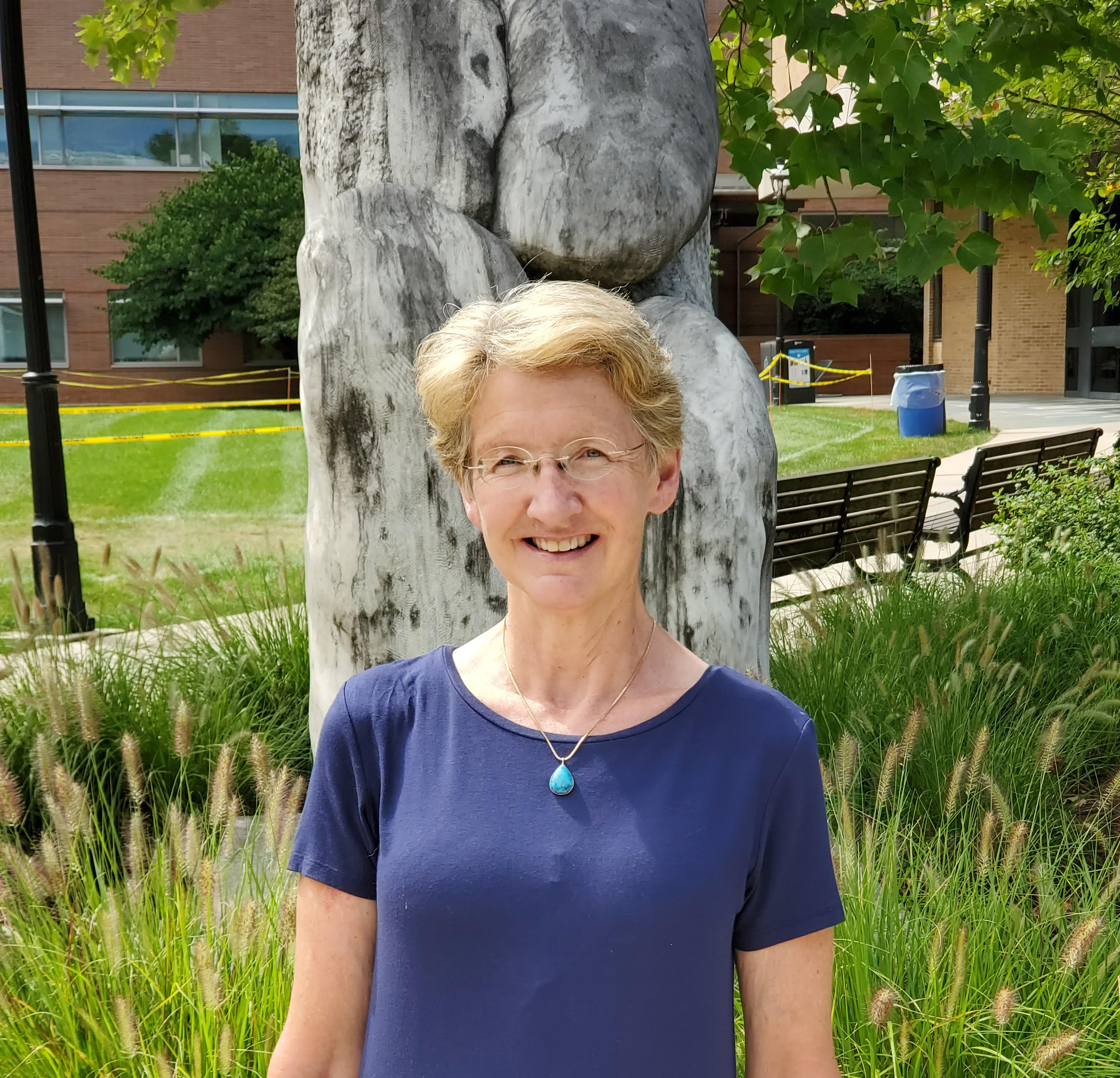
Stacey Kimmel-Smith is the Assistant Director of Client Services in Library & Technology Services (LTS) at Lehigh University, where she manages the LTS Help Desk technology support and Computer Repair Services. She has her MLS from University of North Carolina-Chapel Hill.
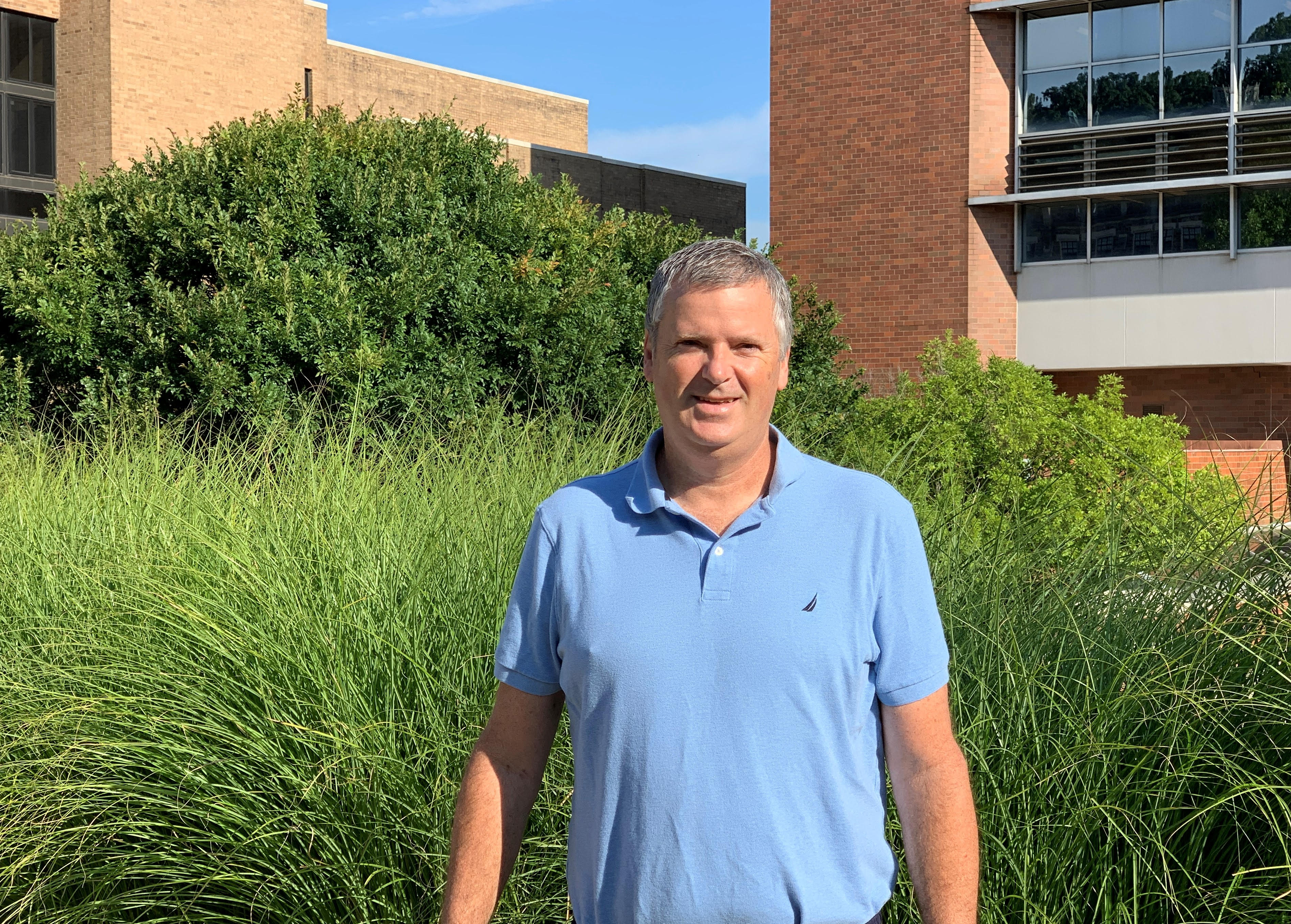
Mark Canney is Manager of Lending Services at Lehigh University Libraries. He received his MLIS from Florida State University.
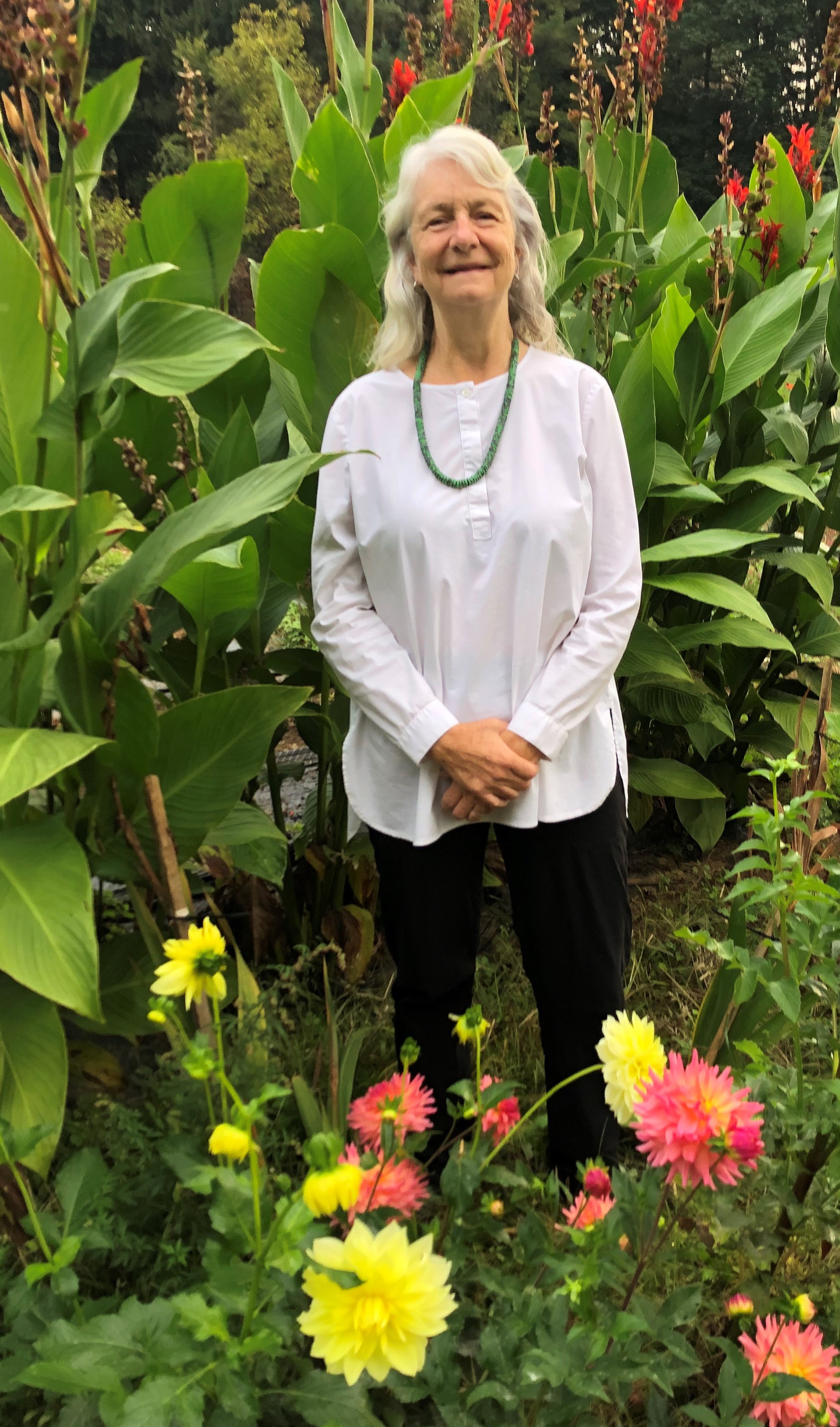
Sharon Wiles-Young is Director of Library Access Services at Lehigh University Libraries where she manages both the Lending Services and Technical Services teams. She has her MLS from the State University of New York at Albany.
All C&CS Sessions are recorded and made available via the CRD website following the presentation.
This project is made possible by a grant from the Institute of Museum and Library Services as administered by the Pennsylvania Department of Education through the Office of Commonwealth Libraries, and the Commonwealth of Pennsylvania, Tom Wolf, Governor.
Support is also provided by the College and Research Division of the Pennsylvania Library Association: https://crdpala.org/.


 Adam Balcziunas
 Alex K.
 Alexandrea Glenn
 Andrea Pritt
 aprilnkelley
 Ashley Purvis
 Bethann Rea
 blj13
blj13 Brendan Johnson
 Amanda Boyer
 Bret Stiffler
 Bonnie Powers
 Christopher Lemery
 clarewithers
 clblibrarian
 Kelly Clever
 Charlotte M. Johnson
 colemanluzerne
 CRD of PaLA
 crdvirtualjournalclub
 cre5314
 csgarth
 Erin B.
 danajkerrigancv
 denisewetzel1
 Darren G. Poley
 elm43
elm43 James D'Annibale
 Annie Jansen
 Jill Hallam-Miller
 jennifercribbs
 Jenn Monnin
 Jen Hasse
 Jessica Showalter
 johnmeier1
 Kelly Safin
 Kim Karim
 Kristen Seikaly
 Kayla Van Osten
 Cecelia Lasley
 librarianjsmith
 Linda Neyer
 mabogino1
 Matthew McNelis
 Meg Massey
 Maggie Savidakis-Dunn
 Rebecca
 miskatoniclibrarian
 Maureen Bentz
 Michele G. Anfuso
 Nicole Miyashiro
 paulmcmonigle
 Rob Sieczkiewicz
 ronlmccoll
 Sam Bardarik
 shannahollich
 smartin592
 Ula Lechtenberg
 It's Academic