Online Course in OER Librarianship

Like many librarians I’ve been more and more involved in the world of Open Educational Resources (OER) over the last few years. OER became prominent in libraries well after I had finished my MLS, so my education in OER has been somewhat scattershot. I’ve read articles here and there or watched a webinar on the topic without ever studying the subject in a thorough organized way. However, recently I had the opportunity to begin the Certificate in OER Librarianship course created by the Open Education Network (formerly the Open Textbook Network). I’m about halfway through the course and I’ve learned a lot so far. It’s been great to study the evolution of OER over time, learn about OER initiatives, hear from other librarians about how OER is progressing at their colleges, and develop plans for what I can do to foster OER at my institution. It’s also been nice to get a reminder of what online students experience every day. It’s easy to forget how much it takes to learn a new LMS, track deadlines, understand assignments, and all the other things that are part of taking an online class.
So, for anyone new to the world of OER and looking for a great introduction, I highly recommend the Certificate in OER Librarianship by the Open Education Network. Here is a link to their website with more information on the course – https://open.umn.edu/otn/oercert/
If you have any questions about the class please reach out to me at akirby@pennhighlands.edu. Now I really have to stop blogging for today – I’ve got homework due!
C&CS Presents: “Civic Literacy as a Campus Outreach Tool: ShipVotes”, April 8 at 11:00 am
C&CS Presents
Civic Literacy as a Campus Outreach Tool: ShipVotes with Eyoel Delessa
April 8 at 11:00 am EST
Register Here: https://zoom.us/meeting/register/tJwud-6qrzgoEtIHuwI7xrMsCkR3y8jXRYL-
ShipVotes is a non-partisan voter registration coalition on the campus of Shippensburg University. This fall semester, library faculty led the coalition and used it as a tool in promoting both voting and information literacy. The outreach allowed the library to reach audiences and campus partners that were instrumental in promoting library resources and civic literacy.
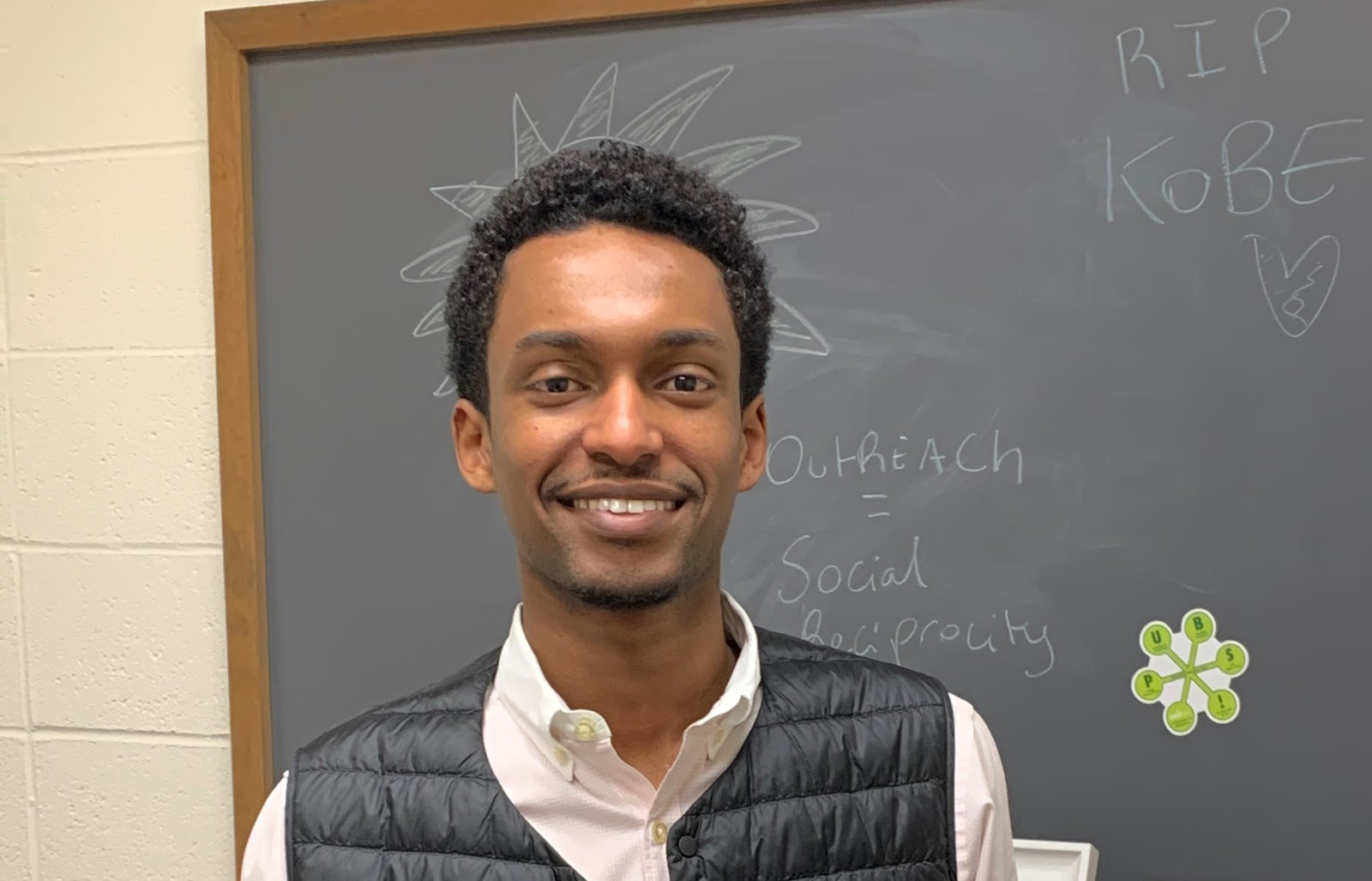
Eyoel Delessa received his Master of Library & Information Science from the University of Maryland, College Park in 2015. After graduating, he worked as a Youth Services Librarian in Prince George’s County, MD from 2016-2108, an Adult Services Librarian in Montgomery County, MD from 2018-2020, and currently serves as the Reference, Outreach, and Instruction Librarian at Shippensburg University.
All C&CS Sessions are recorded and made available via the CRD website following the presentation.
This project is made possible by a grant from the Institute of Museum and Library Services as administered by the Pennsylvania Department of Education through the Office of Commonwealth Libraries, and the Commonwealth of Pennsylvania, Tom Wolf, Governor.
Support is also provided by the College and Research Division of the Pennsylvania Library Association: https://crdpala.org/.
All C&CS Sessions are recorded and made available via the CRD website following the presentation.
This project is made possible by a grant from the Institute of Museum and Library Services as administered by the Pennsylvania Department of Education through the Office of Commonwealth Libraries, and the Commonwealth of Pennsylvania, Tom Wolf, Governor.
Support is also provided by the College and Research Division of the Pennsylvania Library Association: https://crdpala.org/.
Toothpaste, Meet Tube
Years ago at a conference, a librarian was talking about changing library hours in their presentation. The basic idea of what they said was, “Once you’ve extended services, it’s difficult to pull them back. It’s like trying to put toothpaste back in the tube.”
This idea has come to mind often during the past year. Libraries everywhere have adapted or re-imagined their services for social distancing in creative ways. And our circumstances will continue to change as we anticipate moving closer to a pre-pandemic routine in the next academic year.

We’ve heard lots of success stories, like those featured in this ACRL webinar “Let’s Keep Doing This!” But what is sustainable moving forward? How will we navigate patron expectations and the status of library budgets? What restrictions will remain with more humans on campus? How can we support students adjusting to in-person campus life, especially those who finished high school and started college virtually?
That’s just the tip of the uncertainty iceberg. Although nothing is ever certain — some of the issues I just mentioned are not new — that does not make this (gestures everywhere) easier to deal with.
Personally and professionally, we’ve all been impacted by the events of the past year. We’ve had to change our routines, adjust our expectations — basically, try to corral the toothpaste into something remotely functional. Add in the emotions that are a jarring part of humanity in crisis, and we’re facing effects that will last well into the future.
The American Psychological Association addresses the stress of uncertainty and ways to help mitigate it — yes, the ubiquitous “self care” suggestion is mentioned, but their list also includes seeking support, creating small elements of structure, limiting news exposure and reducing worst-case scenario thinking.
That being said, worst-case scenario thinking is a hard habit to break. The energy to frame problems as opportunities is, well, a lot. In the library world, we are accustomed to advocating for our patrons and our work. We want to provide the best service possible, and sometimes that means planning for the worst. When the container of possibility shrinks, it’s time to innovate – but the stress and discomfort of uncertainty is very real, and an important consideration for us and our patrons.
So other than try to take care of ourselves, what can we do? There may be a pull toward extreme positivity (“hey, at least it’s not….!”) or being consumed by all the negative what-ifs. I hope to try to steer my own thinking to a middle ground and seek or provide support when needed. There’s a light at the end of the tunnel, they say. We just need to get there.
Imagining Board Game Events in the Academic Library

Image: Pixabay
The past year has made it difficult to know when we might be fortunate enough to have in-person events again. Still, many of us are using the time to imagine what post-pandemic library events will look like. Students, faculty, and staff will likely be eager to enjoy as many social activities as they can in the future, and it makes sense for academic libraries to be prepared.
Why Run a Board Game Event?
Board games provide a special opportunity to meet social desires on a college campus while also offering the opportunity to develop skills that will help students in the workforce, no matter their field of study. Board games allow players to develop soft skills such as critical thinking, teamwork, risk assessment, literacy, and leadership. Companies all over the state and country use board games to facilitate team-building exercises for these very reasons.
How to Run a Board Game Event in Academic Libraries
It’s important to imagine the experience first. Many board game events fall flat because too much emphasis is given to the game selection rather than the presentation. Selection matters, but the experience makes the difference between students coming to the library for a game night or choosing to go elsewhere.
To give a great board game experience, have students and staff alike facilitate the event. Students can teach games to attendees, and active student involvement in the event will encourage volunteers to invite their peers. Furthermore, having someone available to teach the games will encourage attendees to go beyond their previous experiences to learn something new.
Selecting Board Games for the Academic Library
Board games for the academic library should meet certain criteria. Library faculty and staff will want to keep games budget-friendly, but there are a few other thoughts to keep in mind, too.
First, board games for an event should remain relatively short. Games should require no more than 30 minutes of gameplay time. Even if an event lasts for several hours, this will allow attendees to cycle through a few games while still having time to learn new ones. Unassisted learning time for a board game, on average, can take half of the suggested gameplay. For example, budget 15 minutes to learn a 30-minute game.
Second, the best board game nights include a mixture of familiar and unfamiliar games. Some attendees will want to warm up with a familiar game and end with something new, while others will reverse this play. This is especially important if the library’s board game event is focused on developing soft skills.
Finally, although the focus for selecting games might be for an event, many public libraries circulate board games. This is an option for academic libraries, too. Having a few select games in the collection can give students a small stress buster in between study sessions. Academic libraries will want to select games that offer relatively quiet play and components that are easy to replace if they’re lost. (Most board game publishers will replace missing components at no cost, especially to educational institutions.)
With these points in mind, a few modern board games that would work well for any library include:
- Sushi Go
- Set
- Blokus
- Onitama
- Love Letter
- Chickapig
- For Sale
- Codenames
- Just One
These pair well with classic board and card games like Scrabble, Scattegories, Chess, Checkers, and Clue. Alternatively, games can be selected by input from faculty members of different departments to support their curriculum.
Hosting a Virtual Board Game Event
If your library is eager to offer programming options now, there’s no need to wait, either. There are plenty of easy-to-use, engaging, and low-cost board game websites that allow for virtual board game events. Board Game Arena, Happy Meeple, and Jackbox Games all are great options. Virtual escape rooms also offer all the same benefits. The Hogwarts Digital Escape Room created by the Peters Township Public Library is a great example. Pair any of these options with a chat interface system like Teams, Discord, or even Zoom, and it’s possible to engage students in all these great social and professional benefits now.
C&CS Presents
Revising the Revision: Moving New Information Literacy Instruction for FY Students Online in the Wake of COVID-19 with Beth Transue
Wednesday, March 17 at 1:00 pm EST
Register Here: https://zoom.us/meeting/register/tJUrdeqhrzojGNdiboCo8vWU7XEZOF4Ts6yy
Throughout 2018-19, librarians at Messiah University worked with the Director of First Year Core Courses to develop a scaffolded four-session information literacy program throughout the two core writing courses in the First Year student’s curriculum. Academic year 2019-2020 was the first year for full implementation. The first three sessions were delivered in person and included flipped and active learning strategies. COVID-related closure of campus required immediate conversion of the final session to an online format. The presenter will share information about these curricular revisions, and then the revision of the final information literacy session to online.
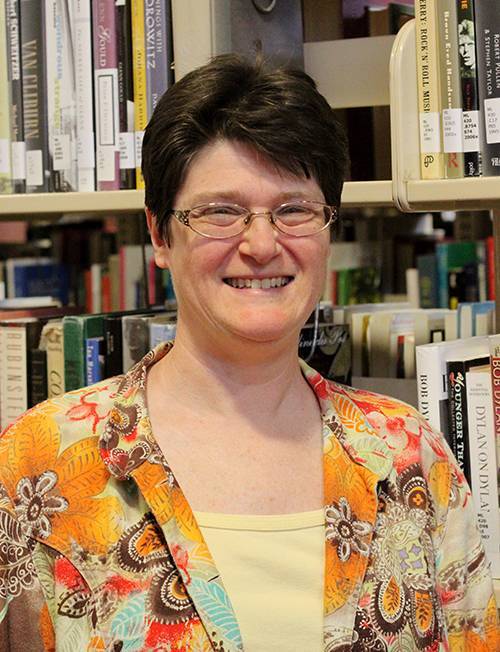
Beth M. Transue, MLS MET is the Information Literacy librarian at Messiah University. She coordinates information literacy instruction across the curriculum, from first year students to graduate level. Beth also serves as the liaison librarian for health and natural science departments, based on her academic background and experience working with national resource centers on behalf of NIH and CDC. As Beth stays at home this year due to COVID, she has worked on improving her genealogy research skills, making some unique family finds.
All C&CS Sessions are recorded and made available via the CRD website following the presentation.
This project is made possible by a grant from the Institute of Museum and Library Services as administered by the Pennsylvania Department of Education through the Office of Commonwealth Libraries, and the Commonwealth of Pennsylvania, Tom Wolf, Governor.
Support is also provided by the College and Research Division of the Pennsylvania Library Association: https://crdpala.org/.


 Adam Balcziunas
 Alex K.
 Alexandrea Glenn
 Andrea Pritt
 aprilnkelley
 Ashley Purvis
 Bethann Rea
 blj13
blj13 Brendan Johnson
 Amanda Boyer
 Bret Stiffler
 Bonnie Powers
 Christopher Lemery
 clarewithers
 clblibrarian
 Kelly Clever
 Charlotte M. Johnson
 colemanluzerne
 CRD of PaLA
 crdvirtualjournalclub
 cre5314
 csgarth
 Erin B.
 danajkerrigancv
 denisewetzel1
 Darren G. Poley
 elm43
elm43 James D'Annibale
 Annie Jansen
 Jill Hallam-Miller
 jennifercribbs
 Jenn Monnin
 Jen Hasse
 Jessica Showalter
 johnmeier1
 Kelly Safin
 Kim Karim
 Kristen Seikaly
 Kayla Van Osten
 Cecelia Lasley
 librarianjsmith
 Linda Neyer
 mabogino1
 Matthew McNelis
 Meg Massey
 Maggie Savidakis-Dunn
 Rebecca
 miskatoniclibrarian
 Maureen Bentz
 Michele G. Anfuso
 Nicole Miyashiro
 paulmcmonigle
 Rob Sieczkiewicz
 ronlmccoll
 Sam Bardarik
 shannahollich
 smartin592
 Ula Lechtenberg
 It's Academic